Category: Mobile (Page 38 of 65)

AT&T ready to allow VoIP calls on 3G

Skype on the iPhone.It seems Apple has one less straw man to throw at investigators over the Google Voice rejection. AT&T has decided, at long last, to allow VoIP calling over 3G connections. VoIP over 3G has been the reason behind a whole slew of app rejections for the iPhone. The change probably comes as a result of the net neutrality discussion, but even so, it’s something I expected AT&T to fight aggressively, not acquiesce to.

The policy change means you can now do some pretty cool stuff, like use Skype anywhere, or the new Vonage app that heralded the VoIP announcement. It also puts a lot of pressure on Apple to push the Google Voice app through. We all know the “duplicating iPhone features,” defense is a load of crap, and this leaves Apple with very little reason for the rejection.

Of course, the policy change also means a lot more data traffic on AT&T’s overtasked network. It’ll be interesting to see how well that holds up.
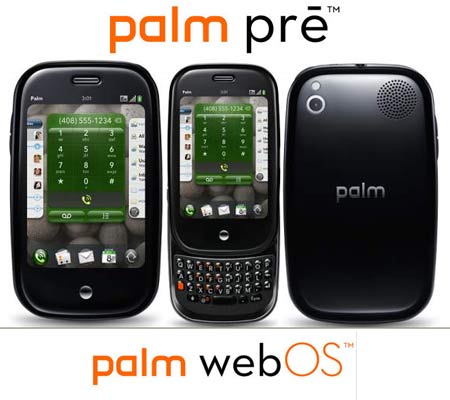
Palm embraces Pre development, maybe too late

Palm Pre on WebOS.Palm has finally given in to the idea that open development is the way to go on the Pre. At a conference today where the prime topic was the future of WebOS, the company announced that it would be allowing developers to distribute free apps over the web.

I would call this the Pre’s saving grace if it weren’t coming so late in the game, because it’s an incredible idea. Developers simply submit the apps to Palm on a review-/censor-free basis and receive a URL back for full distribution. On top of that Palm is waiving the $99 fee for developers using the free distribution method. Regular app submission for the App Catalog will still cost $50. The last brilliant stroke in Palm’s terribly tardy plan was giving each of the developers at the WebOS conference a free Pre with a month’s service and a Touchstone dock. The whole thing is really a great idea…3 months ago.

At this point developers are working with such a small user base that even free phones and unbridled distribution may not be enough to win them back. The Pre needed to see healthy app growth at launch. Instead the store was stagnant as Palm struggled to get the SDK out on time. This new program could have fostered explosive growth then, but now it will probably look more like Palm’s last flash in the pan.

Source: TechCrunch

Palm’s iTunes hacking is less than inspiring

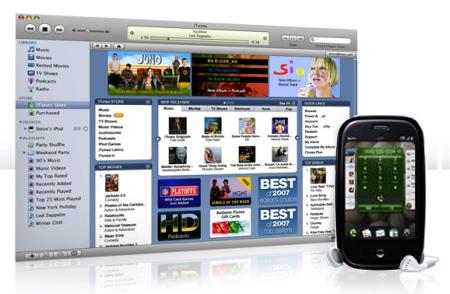
Palm Pre for iTunes?For a phone that’s billed to do things differently from the iPhone, Palm sure has gone to a lot of trouble to make the Pre sync with iTunes. The company released WebOS version 1.2.1 recently, which brings back iTunes sync along with a few maintenance fixes.

The funny thing is, the Pre could sync with iTunes via an xml file, which is an Apple approved and supported method for third-party devices. Instead, Palm keeps trying to find ways to make the Pre look and perform like an iPod, something about which Apple is none to happy. So why bother? Why keep fighting back against every new iTunes update that breaks the functionality?

Craig Hunter, a mobile developer who we’ve talked about for his tough review of the WebOS SDK, said it best:

Clearly, other companies know how to sync painlessly with iTunes music (see RIM’s Blackberry Media Sync for example), so why doesn’t Palm develop a syncing solution for their own hardware? …I seriously question the strategy and brains of any company that ties critical product capabilities to the unsupported use of their competitor’s software. I mean, really? Can it get any more ridiculous? Can you possibly send a more mixed, less confidence-inspiring, “we’re a bunch of hacks who can’t provide our own sync software for our products” message to customers?

Well put, Craig. Well put.

Exploding App Store could be developers’ worst enemy

Apps for Everything.The App Store is growing at alarming rates, something you might assume to be a great thing for developers. It could turn out the other way, though. As more apps come pouring in the store becomes harder and harder to organize, leaving great apps to fall through the cracks for no reason other than that they’re hard to find.

Apple’s attempts to remedy the situation have been half-assed so far. There was the “revamp” featured with iTunes 9.0, which was nothing more than a reorganization of utter chaos. Apple also implemented Genius features for apps to help you locate new apps based on the ones you already have. For me, the service has been terrible. I’ve not found anything through App Genius that I wouldn’t have found otherwise.

Cupertino is launching a new app discovery service called “Apps For Everything,” a website that highlights apps in categories like cooking and music. It’s a decent idea, but the fact that the site is run by Apple almost certainly dooms it for failure. Apple usually showcases apps that do a good job of showing off the iPhone or have that special quality only Apple can see. In my experience, those apps aren’t things I use daily. Typically they’re flash-in-the-pan style apps that work on a young platform but will diminish in use as the App Store continues to grow.

For the App Store to continue to be a success, Apple needs to dramatically improve organization or turn that organization over to the consumers. Give us access to a database of all the apps including ratings. Let a couple enterprising web developers put together a community to encourage exposure. And for god’s sake, give iTunes the complete overhaul it needs.

Your Ears Aren’t In Control

Sony Ericsson earbud guy.As predicted, Sony Ericsson’s great announcement for September 21st was underwhelming; it was so underwhelming, in fact, that I forgot all about it. I didn’t even think to look for it until today when I saw a drawing that vaguely resembled the creepy dude from the original website.

So what was the big announcement? Earbuds controlled by your ears! If it sounds confusing, that’s because it is. One big confused mess that reminds me just how out of touch tech companies can be. The new headphones, called the MH907, work by sensing how many buds are in your ears. Plug in two headphones and your music starts playing. Unplug one to pause your music. If you get a phone call you can take out both earbuds and then plug one back in to answer. To hang up, pull an earbud out, then put both earbuds in to start the music back up.

I think everyone has the same question here: why invent a product that requires a string of gestures to replace one-click functionality. You know what I do if I’m listening to music on my phone and I need to pickup an incoming call? I press “Answer Call.” Just once. To start my music back up, I press “Play.” That’s it. No plugging and unplugging. No pointless ad campaign to point out a worthless product. Just one of those button things we’ve been hearing about for so many years.

« Older posts Newer posts »

© 2026 Gadget Teaser

Theme by Anders NorenUp ↑