Seems like every time Steve Ballmer has appeared for a Q&A over the past four months he’s been asked about Chrome OS at least once. His usual response is something like “Ah…erm…uh…well…WHY DO YOU NEED TWO OPERATING SYSTEMS?!?” Now that we know why Google wants two operating systems, and now that we see where Chrome OS fits in the OS marketplace, it’s easier to understand Ballmer’s, ah, consternation. Chrome OS is all about being fast and light, basically everything Windows isn’t, which makes it perfect for your everyday user. That could be really bad for Microsoft, considering the hordes of people who are unhappy with Windows but unwilling to pay for a Mac or bother with Linux.
But Google is only releasing Chrome on pre-selected hardware devices. There will be no download for your current netbook. There will be no install disc. If you want Chrome, you’ll have to buy a new machine. I was surprised to see Google take this path because it really limits the initial install base. I know a lot of people who would love to drop Chrome on a separate partition, if only to give it a shot. Those same people are highly unlikely to buy a new machine for the OS, though. The only way the hardware limitation makes sense is that it controls the Chrome experience for users in the same way Apple controls the OS X experience. Approved hardware should ensure a positive initial experience for every user, giving Chrome the kind of word-of-mouth power it needs behind the marketing.
Now obviously the most appropriate place for Chrome is the netbook market, where computers are designed with basic tasks in mind. By stripping down the specs, manufacturers are able to offer netbooks at unprecedented prices, something consumers have really loved. I’ll avoid extended discussion about the sole merit of netbooks being price, because I think that should be clear to everyone at this point (laptops at the netbook price sell just as well as netbooks these days). Chrome allows manufacturers to drive costs even lower because there is no “Microsoft Tax.” Imagine a netbook plunging to $199 (ignore Black Friday deals for a moment). You wouldn’t be able to keep those things on the shelf. Hell, I’d get one just to stream content to my TV. At that price point, more consumers would likely be willing to give the new operating system a try, especially if it sports the Google brand.
Google isn’t aiming for an overnight coup with Chrome, just a nice, slow bleed. By slowly turning money-conscious consumers toward a simpler operating system, Google can leech people away from Microsoft from the bottom up. Granted, Chrome isn’t going to replace Windows for the people who want to play Modern Warfare 2, at least not on their gaming rig. But even those guys need a laptop, and $199 looks a lot better than anything running Windows.
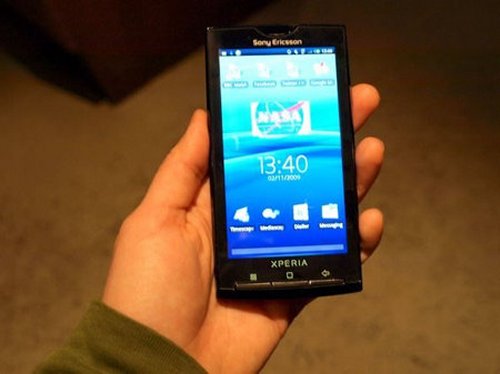 Sony Ericsson’s Xperia X10, formerly code-named “Rachel,” is just way too hot for its own good. It’s a great looking phone, and running Android on a 1GHz Snapdragon processor puts internal beauty in-line with external. You’re going to pay a hefty price for the allure, though. According to the Wall Street Journal the phone will run $879 off contract. Yes, you read that correctly. $879.